

Nail Clinic - Established Patients Only - Mondays 9am-12pm

Ainsley Roberson Rusevlyan, DPM

(252) 946-1181Washington, NC

google review

Blog

Keeping Feet and Ankles Healthy While Playing Golf

Regardless of your level of fitness or skill, or how often you play, you may experience an injury at some point while playing golf. Golf injuries can occur throughout the body, including the feet and ankles. The feet are critical to providing the necessary power and balance required as the body goes through the mechanics of the golf swing. Losing your footing, trying to strike the ball while balancing on an uneven surface, or having poor form while swinging may all contribute to injuries in the feet. Other golf injuries in the feet include ankle sprains, tendinitis, inflammation, and even blisters. You can help protect your feet and ankles while playing golf by improving your swinging form and wearing golf shoes that fit properly. To keep your feet and ankles in top form, or to learn more about how biomechanics can affect your game, make an appointment with a podiatrist. 

Sports related foot and ankle injuries require proper treatment before players can go back to their regular routines. For more information, contact Ainsley Rusevlyan, DPM of InStride Roberson Footcare. Our doctor can provide the care you need to keep you pain-free and on your feet.

Sports Related Foot and Ankle Injuries

Foot and ankle injuries are a common occurrence when it comes to athletes of any sport. While many athletes dismiss the initial aches and pains, the truth is that ignoring potential foot and ankle injuries can lead to serious problems. As athletes continue to place pressure and strain the area further, a mild injury can turn into something as serious as a rupture and may lead to a permanent disability. There are many factors that contribute to sports related foot and ankle injuries, which include failure to warm up properly, not providing support or wearing bad footwear. Common injuries and conditions athletes face, including:

  • Plantar Fasciitis
  • Achilles Tendinitis
  • Achilles Tendon Rupture
  • Ankle Sprains

Sports related injuries are commonly treated using the RICE method. This includes rest, applying ice to the injured area, compression and elevating the ankle. More serious sprains and injuries may require surgery, which could include arthroscopic and reconstructive surgery. Rehabilitation and therapy may also be required in order to get any recovering athlete to become fully functional again. Any unusual aches and pains an athlete sustains must be evaluated by a licensed, reputable medical professional.

If you have any questions please contact our office located in Washington, NC . We offer the newest diagnostic and treatment technologies for all your foot and ankle needs.

Read more about Sports Related Foot and Ankle Injuries

Causes of Pain in the Second Toe

Pain in the second toe can cause a great deal of discomfort, but it is rarely discussed. One of the main causes of second toe pain is capsulitis, which is irritation or inflammation of the ligament capsule at the base of the toe. You may notice pain in the ball of the foot that feels worse when you walk barefoot, swelling in the area, and difficulty putting on or wearing shoes. Causes of capsulitis include improper foot mechanics, bunions, tight calf muscles, a weak arch, or a second toe that is longer than the big toe, which can affect the gait. Sometimes, if a person has capsulitis of the second toe, which causes it to drift toward the big toe, surgery may be required. If the pain associated with the second toe becomes debilitating or interferes with daily activities, it is wise to seek the help of a podiatrist who can diagnose the cause and provide treatment options.

Toe pain can disrupt your daily activities. If you have any concerns, contact Ainsley Rusevlyan, DPM of InStride Roberson Footcare. Our doctor can provide the care you need to keep you pain-free and on your feet.

What Causes Toe Pain?

Most severe toe pain is caused due to a sports injury, trauma from dropping something heavy on the toe, or bumping into something rigid. Other problems can develop over time for various reasons.

Toe pain can be caused by one or more ailments. The most common include:

  • Trauma
  • Sports injury
  • Wearing shoes that are too tight
  • Arthritis
  • Gout
  • Corns and calluses
  • Hammertoe
  • Bunions
  • Blisters
  • Ingrown toenails
  • Sprains
  • Fractures (broken bones)
  • Dislocations

When to See a Podiatrist

  • Severe pain
  • Persistent pain that lasts more than a week
  • Signs of infection
  • Continued swelling
  • Pain that prevents walking

Diagnosis

In many cases the cause of toe pain is obvious, but in others, a podiatrist may want to use more advanced methods to determine the problem. These can range from simple visual inspections and sensation tests to X-rays and MRI scans. Prior medical history, family medical history, and any recent physical traumatic events will all be taken into consideration for a proper diagnosis.

Treatment

Treatments for toe pain and injuries vary and may include shoe inserts, padding, taping, medicines, injections, and in some cases, surgery. If you believe that you have broken a toe, please see a podiatrist as soon as possible.

If you have any questions please contact our office located in Washington, NC . We offer the newest diagnostic and treatment technologies for all your foot and ankle needs.
Read more about Toe Pain

Why Live with Pain and Numbness in Your Feet?

Suffering from this type of pain? You may have the foot condition known as Morton's neuroma. Morton's neuroma may develop as a result of ill-fitting footwear and existing foot deformities. We can help.

Why Laser Therapy Is Effective in Treating Toenail Fungus

Toenails are composed of layers and layers of keratin, which is a form of protein. Toe fungal microorganisms that cause a toenail infection can burrow themselves deep within these layers which make them difficult to kill. As the fungi feed off of the keratin in the infected nail, it becomes thickened, discolored, crumbly, ragged, and brittle. If the fungi embed themselves underneath the nail (in the nail bed), it can even cause the nail to lift off of the nail bed. Treating toenail fungus can be difficult as topical treatments can have a difficult time penetrating the nail to eradicate the fungus, and oral antifungal medications can sometimes cause dangerous side effects. Laser therapy for fungal toenails has emerged as an effective and safe treatment for toenail infections. The laser can precisely target the fungi and penetrate deep through the layers of nail to kill the fungi, without affecting surrounding healthy nail and tissue. If you have a stubborn toenail infection, it is suggested you call a podiatrist to see if you are a good candidate for laser therapy.

Laser treatment can be an effective way to get rid of toenail fungus. If you have any questions about laser treatment, consult with Ainsley Rusevlyan, DPM from InStride Roberson Footcare. Our doctor will assess your condition and provide you with quality treatment for fungal nails.

What Are Toenail Fungal Infections?

Onychomycosis, or fungal infection of the nail, is a relatively common and non-serious condition. Around 10 percent of U.S. citizens are afflicted with fungal nails. Common forms of fungus that infect the nail include dermatophytes, yeasts, and molds.

Symptoms of Toenail Fungal Infections Include:

  • Nail thickening
  • Brittleness of the nail
  • Discoloration of the nail

Diagnosis for Fungal Nails

Fungal infections are diagnosed by fungal culture and microscopy. This will rule out any other conditions such as nail trauma, psoriasis, lichen planus, and onychogryphosis.

What Is Laser Treatment?

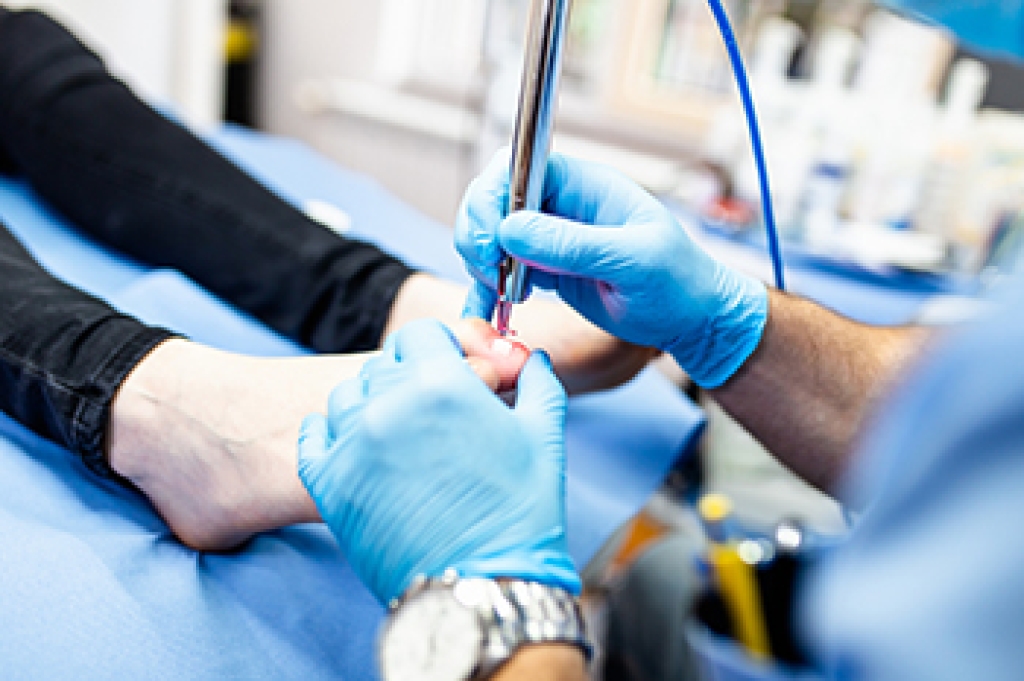
Laser treatment is a non-invasive, safe, quick, and painless procedure that uses the heat from a laser to kill fungus in the nail. Each infected nail is targeted with a laser for several minutes. The treatment is usually utilized several different times over a select period. During this time, a podiatrist will keep an eye on the infection.

If you have any questions, please feel free to contact our office located in Washington, NC . We offer the newest diagnostic and treatment technologies for all your foot care needs.

Read more about Laser Treatment for Fungal Nails

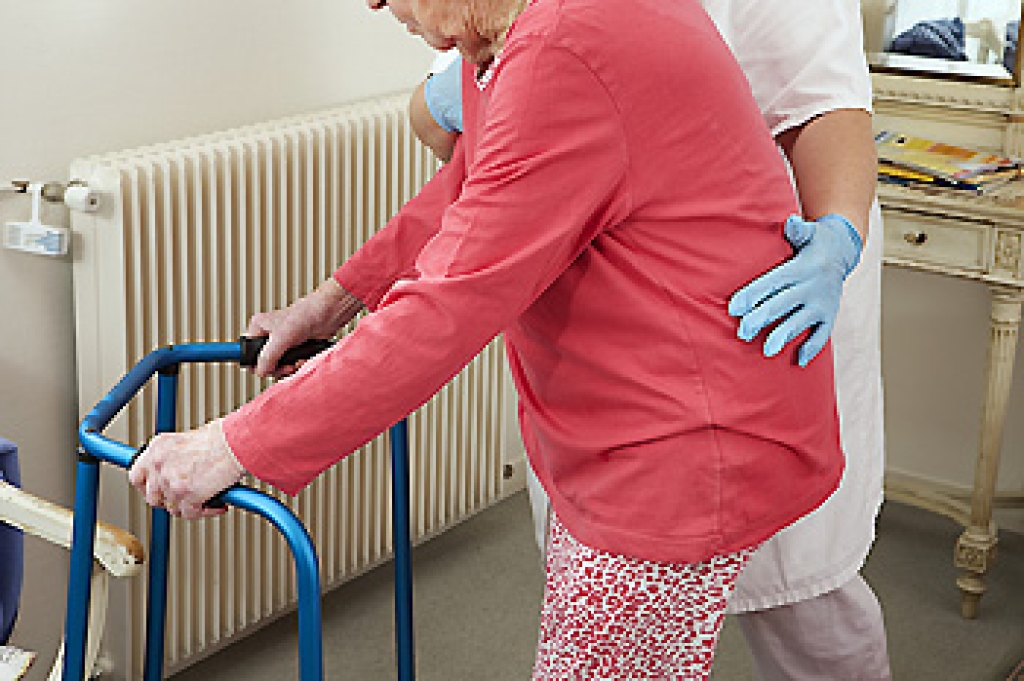
Prevent Falls With Specific Exercises

Suffering from a fall as a senior citizen is no joke. As an individual ages, they become more prone to tumbling and tripping both inside and outside of their home. These falls can be life-threatening and may occur on staircases or hard, dangerous surfaces. Although falls may happen for any number of reasons, the health of a senior’s feet can be an influential factor. Therefore, one way to prevent falls from occurring in senior citizens is to strengthen the feet by practicing several simple exercises. These exercises can improve the strength in the senior’s feet muscles and increase balance. One such exercise is known as leg extensions and can be performed by repeatedly extending and raising one leg at a time while sitting in a chair. You can alternate the legs after each extension. The purpose of this exercise is to increase strength and agility in the leg muscles. If stretching seems boring or unappealing, a senior might also try to improve the strength of their feet by walking, practicing tai chi, or performing simple movements in the pool. If you are a senior who is concerned about their likelihood of suffering from a fall, you can contact a podiatrist for more information about strength-building exercises.

Preventing falls among the elderly is very important. If you are older and have fallen or fear that you are prone to falling, consult with Ainsley Rusevlyan, DPM from InStride Roberson Footcare. Our doctor will assess your condition and provide you with quality advice and care.

Every 11 seconds, an elderly American is being treated in an emergency room for a fall related injury. Falls are the leading cause of head and hip injuries for those 65 and older. Due to decreases in strength, balance, senses, and lack of awareness, elderly persons are very susceptible to falling. Thankfully, there are a number of things older persons can do to prevent falls.

How to Prevent Falls

Some effective methods that older persons can do to prevent falls include:

  • Enrolling in strength and balance exercise program to increase balance and strength
  • Periodically having your sight and hearing checked
  • Discuss any medications you have with a doctor to see if it increases the risk of falling
  • Clearing the house of falling hazards and installing devices like grab bars and railings
  • Utilizing a walker or cane
  • Wearing shoes that provide good support and cushioning
  • Talking to family members about falling and increasing awareness

Falling can be a traumatic and embarrassing experience for elderly persons; this can make them less willing to leave the house, and less willing to talk to someone about their fears of falling. Doing such things, however, will increase the likelihood of tripping or losing one’s balance. Knowing the causes of falling and how to prevent them is the best way to mitigate the risk of serious injury.  

If you have any questions, please feel free to contact our office located in Washington, NC . We offer the newest diagnostic and treatment technologies for all your foot care needs.

Read more about Falls Prevention
Connect With Us